

Marble thresholds are essential components in construction and interior finishing, often overlooked despite their functional and aesthetic roles. One of the most critical choices when installing a threshold is the type of bevel. The bevel not only affects the visual transition between surfaces but also influences safety, comfort, and the overall installation process. This post explores the main bevel options for marble thresholds and highlights how STONEXCHANGE products can be paired with each choice.
Understanding Bevels in Marble Thresholds
A bevel is the angled edge cut along the perimeter of a marble threshold. It serves multiple purposes: it prevents sharp edges, facilitates smoother foot traffic, and defines the boundary between different flooring materials. There are three main bevel types commonly used:
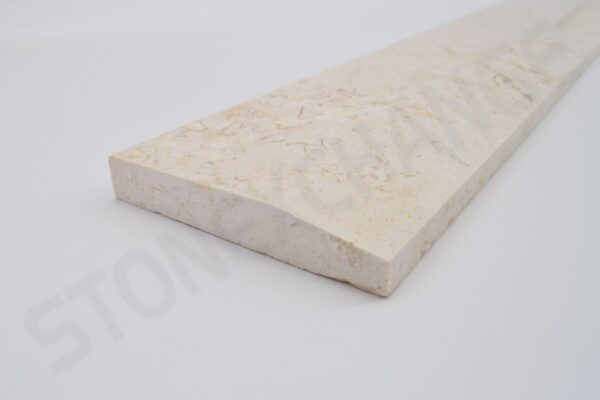
1. Single Hollywood Bevel
The Single Hollywood Bevel features a subtle angled edge on one side of the threshold, creating a gentle transition between floors of slightly different heights. This bevel is ideal for interior areas where a defined but understated boundary is preferred. For example, the Crema Marfil Marble Single Hollywood Bevel Threshold provides a warm, uniform appearance while maintaining a practical surface for high-traffic areas.
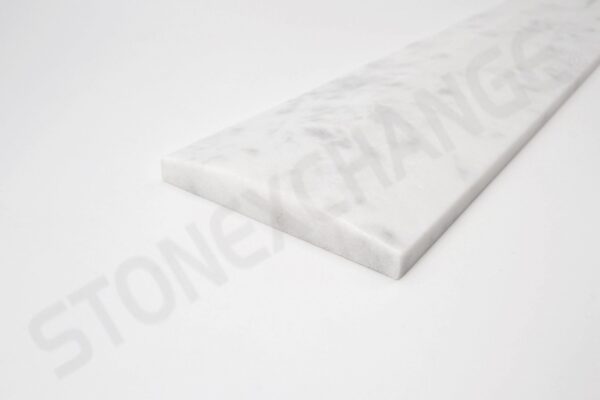
2. Double Hollywood Bevel
The Double Hollywood Bevel features angled edges on both sides of the threshold, creating a more pronounced transition that works well between rooms with different flooring heights or materials. This type of bevel is especially suitable for areas that require both functionality and a clean, defined line. For instance, the White Carrara Marble Double Hollywood Bevel Threshold offers a crisp and refined edge, making it an excellent choice for hallways or living spaces where a seamless yet structured transition is desired.
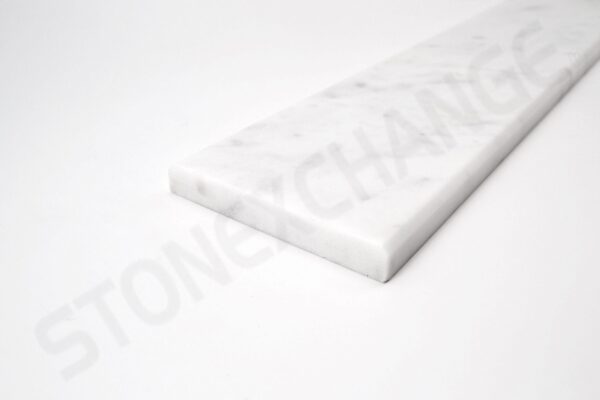
3. Standard Bevel
Standard Double Bevel Thresholds are designed with subtle angled edges on both sides, providing a balanced transition between rooms. This style is ideal when a smooth yet clearly defined edge is needed without the pronounced slope of a Hollywood bevel. A perfect example is the White Carrara Standard Double Bevel Threshold, which offers a soft but structured line, making it suitable for both residential and commercial interiors.
Matching Bevels to Project Requirements
Selecting the right bevel depends on the project’s flooring configuration, traffic type, and the stone’s finish. For example:
- Residential Projects: Single Hollywood bevels are well-suited for bedrooms, living rooms, and other home interiors where smooth transitions between floor surfaces are desired. They create a subtle, cohesive connection between different flooring materials without drawing too much attention.
- Commercial Installations: Double Hollywood bevels are ideal for offices, galleries, or public spaces. They provide safe, even surfaces for heavy foot traffic and equipment movement while maintaining a clear edge between flooring areas.
- Exterior Applications: Standard bevels, especially when paired with textured or slip-resistant finishes, are effective for outdoor use. They perform well on terraces, steps, or entryways exposed to rain or other weather conditions, helping to prevent slips while withstanding regular wear.
Why Finish Matters Alongside Bevel
While the bevel defines the edge geometry of a threshold, the stone’s finish determines how it feels to the touch and how it performs over time. Smooth honed finishes are often chosen for indoor areas, as they provide a clean, polished look with comfortable transitions. On the other hand, textured options such as leathered or brushed finishes introduce extra grip, making them better suited for exterior thresholds or spaces with heavier foot traffic.
In earlier articles like “How To Choose The Right Window Sill Material For Your Home” and “Marble Vs. Concrete Thresholds: Which is Better?”, we discussed how surface characteristics directly influence both durability and style. The same logic applies here: pairing the correct bevel with the most appropriate finish ensures thresholds are not only practical but also visually aligned with surrounding surfaces.
Installation Tips
Proper installation is crucial for thresholds to perform effectively and safely. Consider the following guidelines:
- Measure Floor Heights Accurately: Misaligned bevels can create uneven transitions and potential tripping hazards. Always ensure the bevel matches the difference between flooring levels.
- Select Stone with Consistent Thickness: Uniform materials simplify the installation process and ensure the threshold sits evenly across adjoining surfaces.
- Apply Sealing and Plan Maintenance: Even smooth finishes benefit from sealing to protect against staining and everyday wear. Textured finishes, on the other hand, naturally provide extra grip and can help resist water infiltration in outdoor or high-moisture areas.
Conclusion
Choosing the right threshold involves more than just selecting a stone type. The bevel style, finish, and installation method all play key roles in ensuring both functionality and aesthetics. By carefully matching these elements to the specific needs of a project—whether residential, commercial, or exterior—you create transitions that are safe, durable, and visually seamless. The right threshold not only enhances the overall design but also supports long-term performance and ease of maintenance.
Ready to find the ideal threshold for your next project? Explore our full catalog of marble and stone thresholds or contact our team today for expert guidance.